
Bosch fuel cell enters service in Madrid: Irizar coach covers over 1,000 kilometres
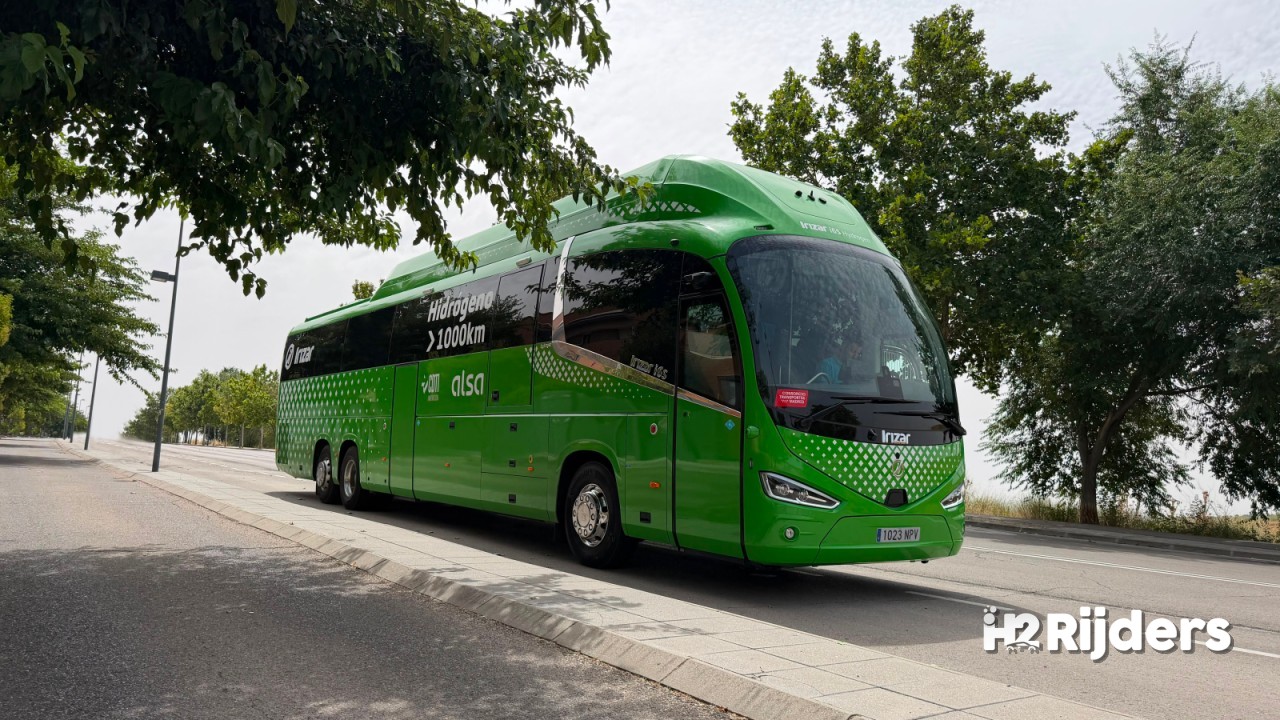
Bosch has put its new fuel-cell system on the road with a customer for the first time. A coach built by Spanish manufacturer Irizar has been carrying passengers in and around Madrid since this summer, operated by transport company Alsa. It is Bosch's first customer project in the bus segment.
The vehicle is fitted with the FCPM C190, a fuel-cell power module with a continuous output of 190 kilowatts. Combined with the hydrogen tanks, it delivers a range of more than 1,000 kilometres. Refuelling takes ten to fifteen minutes, comparable to a diesel bus.
Weeks of testing in regular service
The test runs cover various routes of the Madrid regional transport consortium. Alsa already carried passengers with the coach in June and July, and more journeys under normal operating conditions will follow in the coming weeks. The longer routes are the most interesting ones: that is where the system's range comes into its own.
"Fuel cells are especially well suited to buses that cover longer distances every day and have hardly any opportunity to charge en route," says Thomas Pauer, member of the divisional board of Bosch Mobility.
Three sizes of fuel cell
Bosch presented its new modules in March at the Mobility Move trade fair in Berlin. The line-up consists of three variants:
- FCPM C100: 100 kW, a flat 40-centimetre-high design intended for city buses of 12 to 18 metres, usually roof-mounted.
- FCPM C190: 190 kW, with a horizontal double-stack design fitted at the rear of the vehicle like a diesel engine. This is the system now running in Madrid.
- FCPM C300: 300 kW, for heavy coaches and trucks.
All systems use the usual CAN and diagnostic interfaces, so bus manufacturers can integrate them relatively easily.
The vehicle: Irizar i6S Efficient H2
The test vehicle is the second generation of the Irizar i6S Efficient H2 FCEV. The coach seats 69 passengers and can take up to 18 standing. Compared with the first generation from 2023, Irizar has increased luggage and passenger capacity, extended the range and reduced the weight. That last point counts twice: the lighter a vehicle, the less energy it takes to get it moving and keep it moving.
Type approval has now been completed. Series production is expected in the first half of 2027.
Madrid as a testing ground
Madrid is no accidental choice for this trial. In November 2024 the city opened Europe's first municipal hydrogen refuelling station for buses at the EMT depot in Entrevias, with a PEM electrolyser producing 18 kilos of hydrogen per hour and two dispensers at 350 bar. Nearly 2,800 solar panels supply part of the power required. The city aims to run a fully zero-emission bus fleet by 2030.
Why it matters
European rules require CO2 emissions from newly registered city buses to be ninety percent lower in 2030 than in 2019, with fuel-cell vehicles counting as zero-emission. For regional services and longer coach journeys, where vehicles need to run all day and be back in service quickly, the fuel cell is an attractive addition to the zero-emission line-up.
Bosch works across the entire hydrogen value chain, from Hybrion PEM electrolysis stacks for production to fuel cells and hydrogen engines in vehicles. At the end of 2025, a Bosch development team received the Deutsche Zukunftspreis from the German federal president for this work.
Sources
- Bosch Media Service, Hydrogen: New Bosch fuel-cell system begins test operations in Madrid, 28 July 2026
- electrive.com, Bosch trials fuel cell bus technology in Madrid, 29 July 2026
- Bosch Media Service, Bosch is extending its portfolio with new fuel-cell solutions for buses, March 2026
- Sustainable Bus, Type-approved new-generation Irizar hydrogen coach to begin passenger service with Alsa
- busplaner.de, Irizar tests new hydrogen tour bus in passenger service in Madrid
- European Alternative Fuels Observatory, Madrid launches Europe's first hydrogen bus refuelling station


