
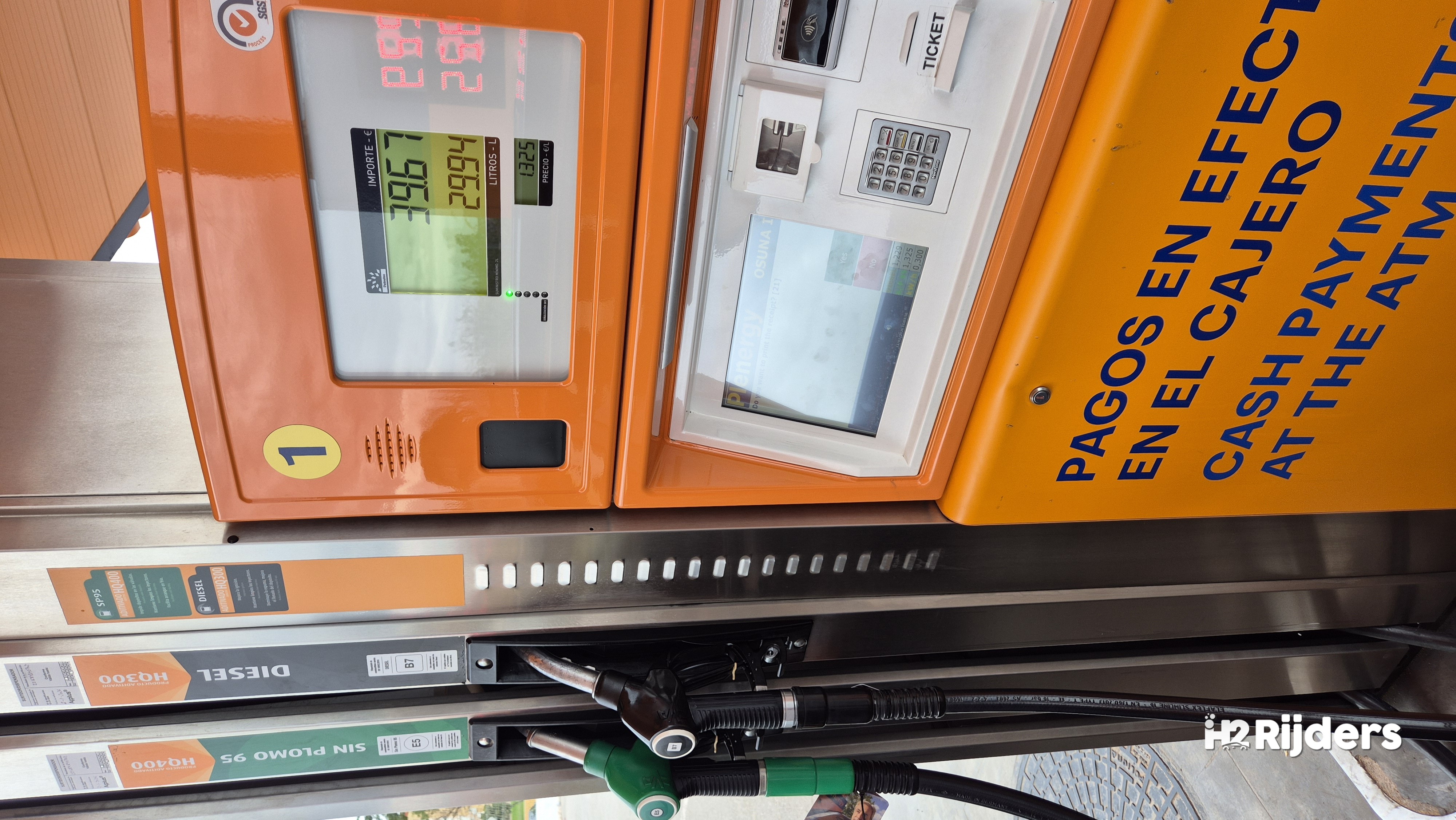
Spain ties fuel suppliers to hydrogen quotas — and missing them won't be cheap
Spain makes renewable hydrogen part of the tank
Spain has adopted a new legal framework that steadily steers its fuel sector toward cleaner fuels. Through a royal decree — the Spanish implementation of the EU RED III directive (2023/2413) — fuel suppliers must put an ever-larger share of renewable energy into what they sell, all the way to 2040. Renewable hydrogen plays a leading role in that mix.
What must suppliers achieve?
The decree sets binding targets for road transport. Greenhouse-gas emissions per unit of fuel must fall by 17.6% by 2030 and by 30% by 2040. To get there, a minimum share of the fuel has to come from renewable sources:
- Advanced biofuels, biogas and renewable hydrogen (RFNBO) combined: at least 8% of the energy content by 2030 and 22% by 2040.
- For renewable hydrogen there is a separate benchmark of 2.5% in transport by 2030, with road transport counting double.
Not the driver, but the supplier
Importantly, the obligation does not fall on the individual driver or haulier, but on the large fuel suppliers — the wholesale operators of petroleum products and LPG. Every year they must show they have blended in or supplied enough renewable fuel.
And if a supplier misses the quota?
Then it counts as a 'very serious infringement' under Spain's Hydrocarbons Law (Ley 34/1998) — the heaviest category the law provides. The exact fines and the procedure will be set later in a separate ministerial order from the State Secretariat for Energy. What is clear is that this is no symbolic slap on the wrist: falling behind can become genuinely costly for the sector.
Room to move smartly
The framework also offers flexibility. Renewable hydrogen produced for industry may partly count toward the transport targets. In addition, a system of 'e-credits' will let charging-point operators monetise the green electricity they deliver. Companies that lead the way can also earn recognition as a 'leader in certified renewable hydrogen'.
Why it matters
With this approach Spain firmly puts renewable hydrogen on the map as a zero-emission solution for road transport, alongside battery-electric driving. Especially for heavy, long-distance transport — where a lot of energy is needed to set mass in motion — hydrogen is an attractive route. We see it as a logical step: a clear, multi-year path gives producers and refuelling infrastructure the certainty they need to invest.
Sources
- Hydrogen Insight — Here's how much Spanish fuel suppliers will have to pay if they fail to meet renewable hydrogen quotas
- Ministerio para la Transición Ecológica (MITECO) — press release, 23 July 2026
- Gasworld — Spain approves RFNBO road transport quotas through 2040
- Energynews.es, Transporte al día and Atlanthy — analyses of the royal decree
.jpg)
.jpg)
.jpg)