.jpg)
Hydrogen mobility keeps rolling while Brussels delays the rules
Europe wants to bet big on hydrogen, but its rules are lagging behind that ambition. The European Commission brought forward the revision of the RFNBO rules — the criteria for green hydrogen — yet the decisive adjustments will only arrive in the autumn of 2026. Until then, many large industrial hydrogen projects are effectively on hold while investors wait for clarity.
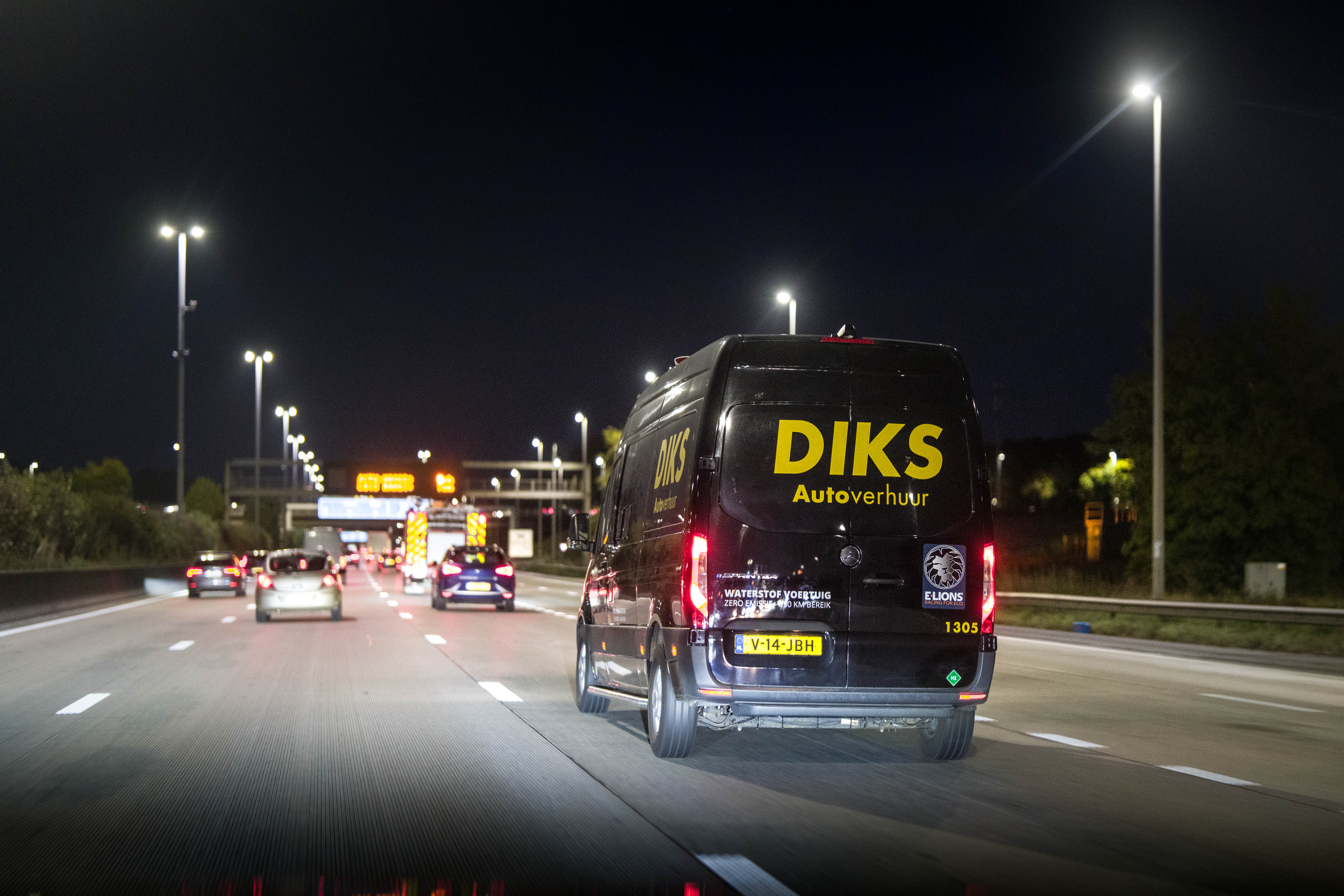
Even so, there is one segment that does not have to wait for the perfect pan-European solution: mobility. That is the argument put forward by Horst Broich, sales and marketing specialist at Trenga, in a widely shared LinkedIn post. Hydrogen mobility, he says, already works remarkably well today.
Why mobility can start today
Where large-scale industrial projects depend on subsidies and still-uncertain rules, mobility is in a more practical position. The vehicles exist, the stations can be built and the risks are manageable. Broich points to, among other things:
- realistic production costs and a natural price floor;
- available vehicles for heavy and professional use, such as trucks, buses and fleets;
- refuelling stations that can be built with proven technology;
- fast scalability, step by step.
A clear refuelling standard
A stable refuelling standard is crucial. In Europe it is largely set by the AFIR rules: along the TEN-T core network a hydrogen station must stand every 200 kilometres by the end of 2030, with at least a 700 bar dispenser and a capacity of about one thousand kilograms per day. In addition, manufacturers are working on complementary routes for heavy transport, such as the sLH2 subcooled liquid hydrogen technology that Daimler Truck and Linde developed for fast and simple refuelling.
Three building blocks for the whole market
For not just mobility but the entire hydrogen market to get moving, Broich says three things are needed:
- clear and workable RFNBO rules;
- transitional rules for the front-runners already investing today;
- minimum prices or Contracts for Difference (CfDs) to make projects bankable.
We read that plea above all as a hopeful message. Alongside battery-electric driving, hydrogen is a zero-emission option that can prove its worth right now, especially in heavy and intensive transport — provided policymakers give the front-runners room to keep rolling.
Sources
- Horst Broich, LinkedIn (July 2026)
- Hydrogen Insight — EU review of RFNBO Delegated Act delayed until autumn
- Fuel Cells Works — EU pushes green hydrogen rules review to autumn
- European Hydrogen Observatory — Alternative Fuels Infrastructure Regulation (AFIR)
- Daimler Truck and Linde — sLH2 liquid hydrogen refuelling technology
.jpg)
.jpg)